What Is the MIND Diet?
MIND Diet Menu Planning is an independent project inspired by the MIND diet. It’s not affiliated with Rush University or any official research group. I created it to make the MIND diet simple, delicious, and doable in everyday life.
The MIND diet is a combination of the Mediterranean and DASH diets. The Mediterranean diet emphasizes whole foods, including beans, seafood, nuts, fruits, vegetables, and olive oil. The DASH diet is for heart health and healthy blood pressure. Like the Mediterranean diet, it emphasizes fruits and vegetables, lean proteins, whole grains, and low-fat dairy. For heart health, it limits salt, sweets, and saturated fat. The MIND diet combines these principles, but also adds extra emphasis on brain-healthy foods like blueberries, leafy greens, and olive oil.
You don’t have to follow these guidelines perfectly to benefit. Research shows that even moderate adherence to the MIND Diet is associated with better cognitive outcomes.
MIND Diet Food List (What to Eat Often)

Leafy Green Vegetables
6x/Week

Vegetables
At least 1x/Day
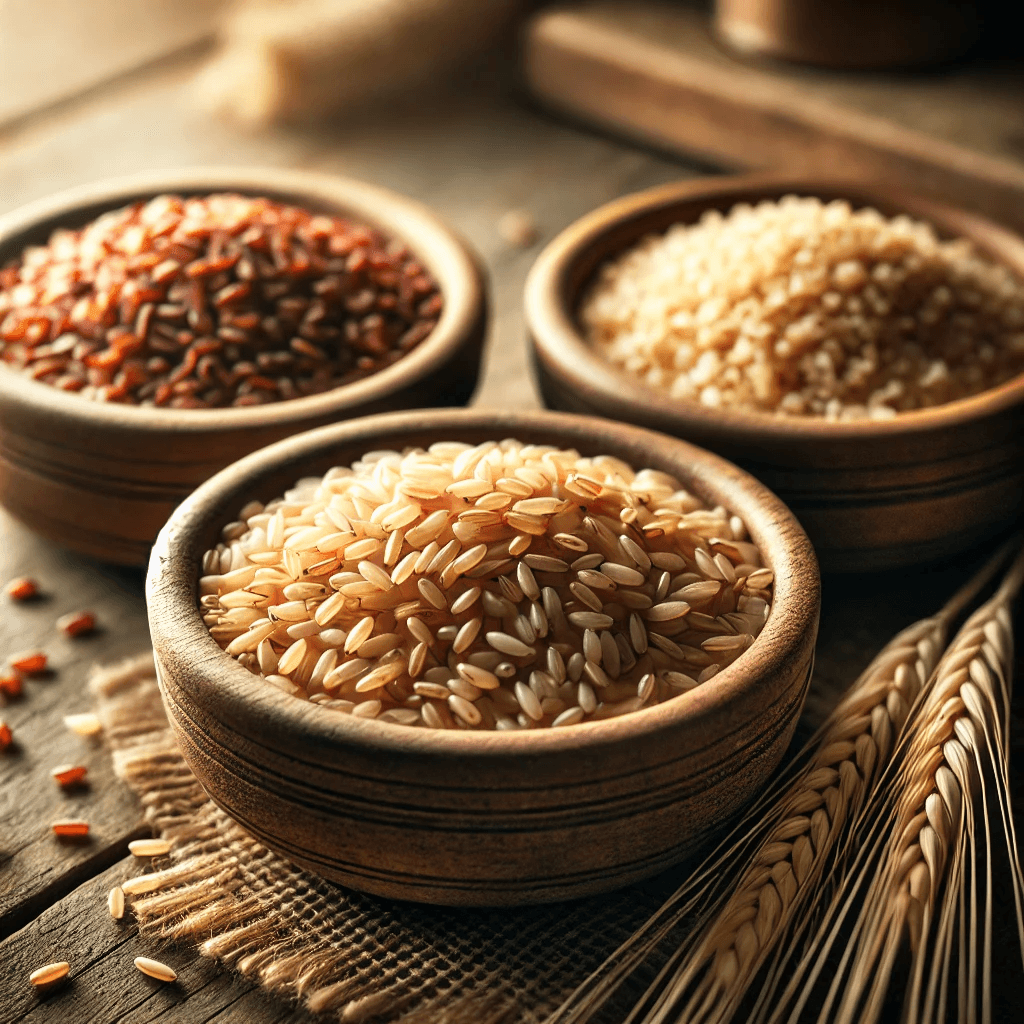
Whole Grains
3x/Day

Extra Virgin Olive Oil
Primary Fat

Berries
At Least 2x/Week
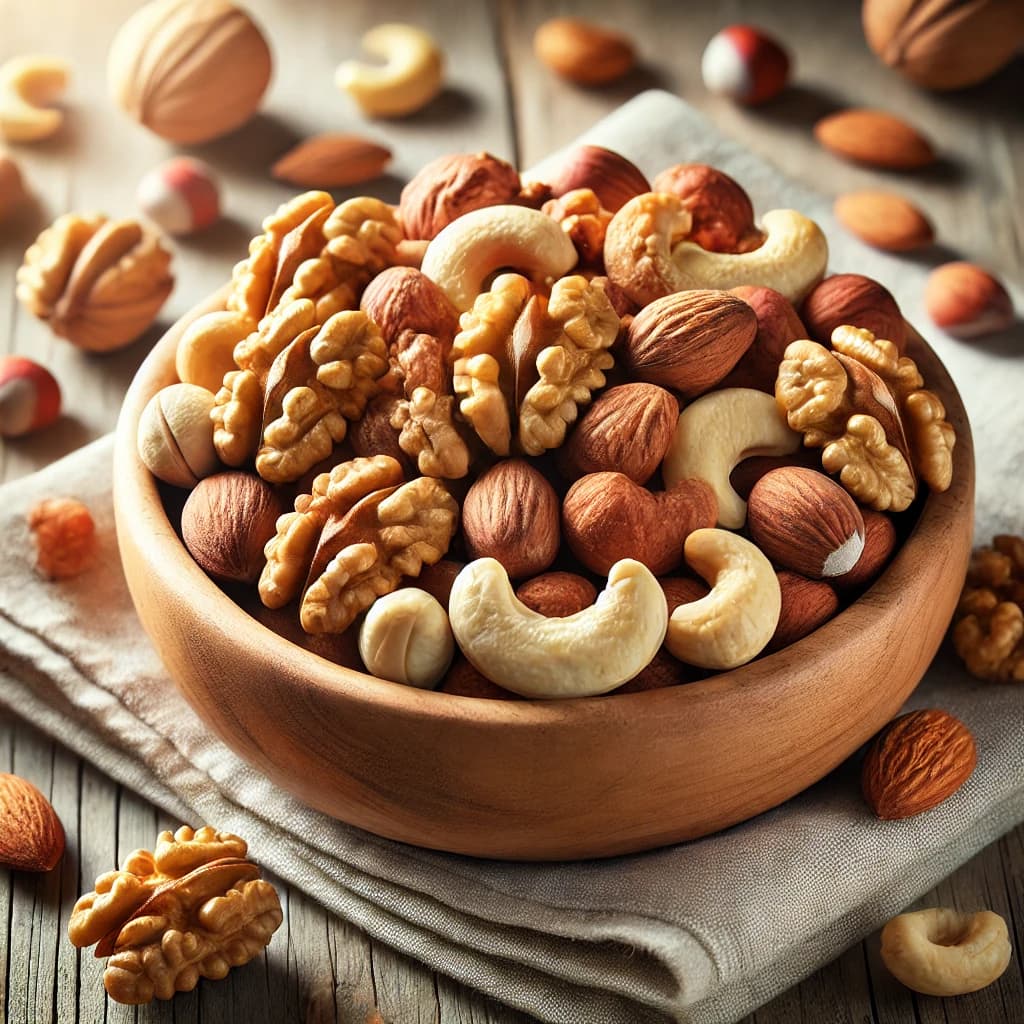
Nuts
Handful 5x/Week
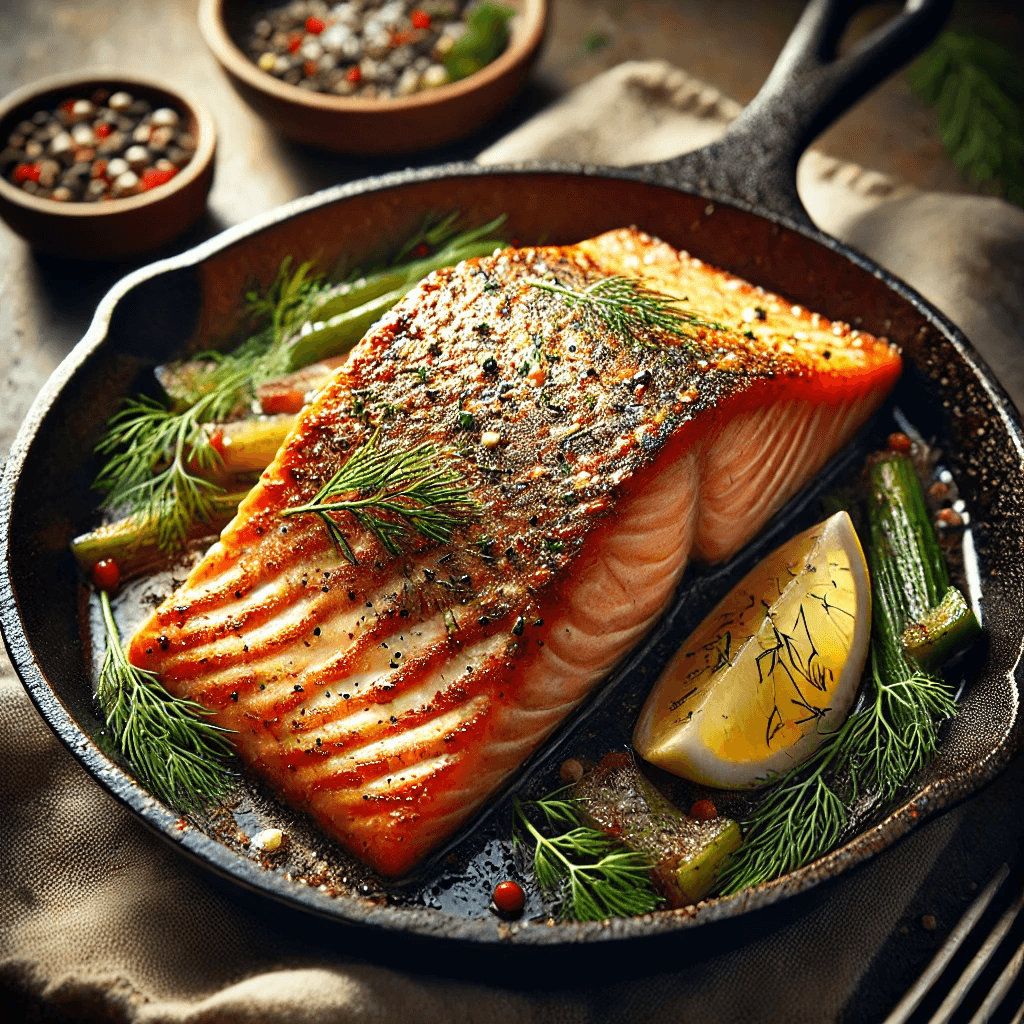
Seafood
At Least 1x/Week
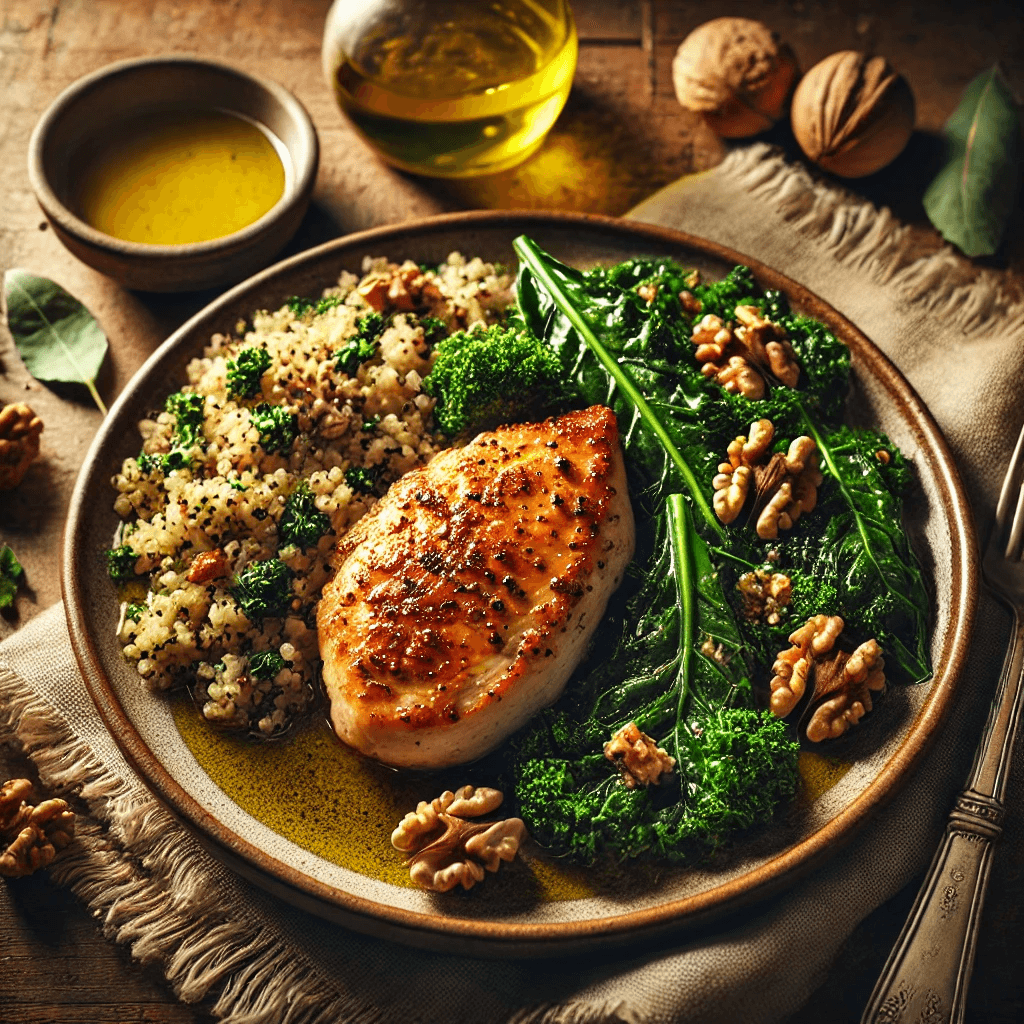
Poultry
Twice a Week
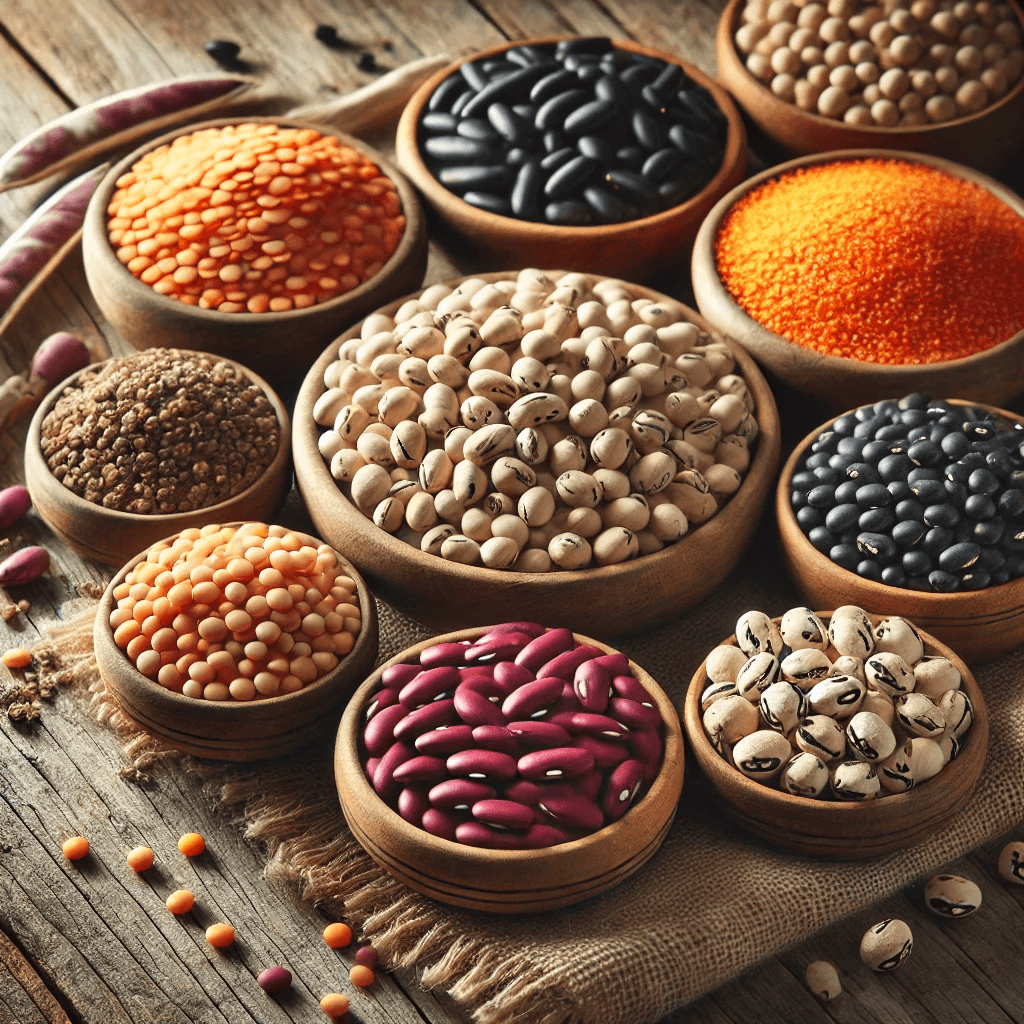
Beans
4x/Week
Limit or Avoid

Red Meat

Whole Fat Cheese

Butter & Margarine

Fried Food

Pastries & Sweets
Simple Meal Ideas
Breakfast
- Oatmeal with berries and almonds
- Chia pudding with fruit
- Eggs and sautéed greens on whole-grain toast
Lunch
- Big salad with beans, nuts, and leafy greens
- Vegetable or bean soup
- Leftovers from dinner
Dinner
- 1–2 seafood dinners per week
- 1–2 poultry dinners per week
- Remaining meals: bean-based or plant-forward
Research References
These are the primary studies that established and refined the MIND Diet scoring system. My work is independent and focuses on making the MIND Diet practical for everyday life.
- Morris, M.C. et al. (2015). MIND diet slows cognitive decline with aging. View Study
- Morris, M.C. et al. (2023). Long-term MIND diet adherence and incidence of dementia. View Study